Found on Portslade beach on the weekend of International Workers Day, the May Day public holiday.
http://www.theguardian.com/commentisfree/2012/may/01/may-day-history-international-workers-day
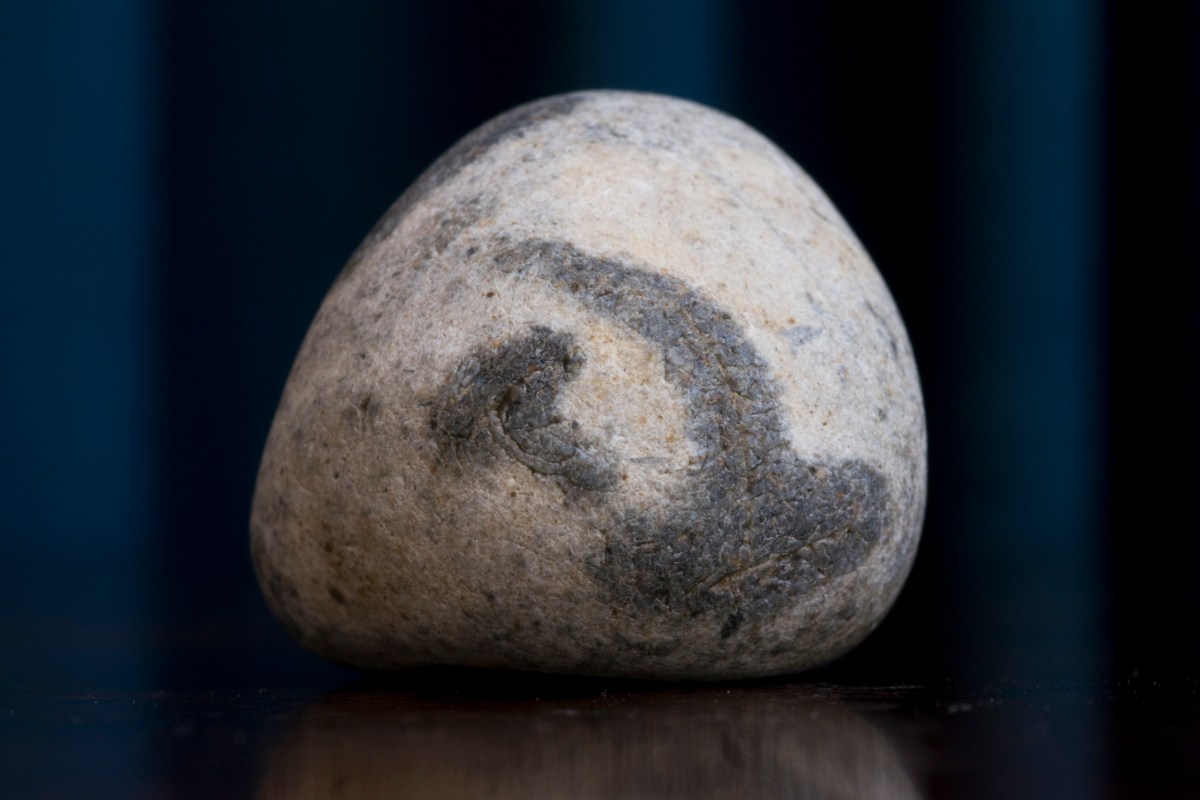
Found on Portslade beach on the weekend of International Workers Day, the May Day public holiday.
http://www.theguardian.com/commentisfree/2012/may/01/may-day-history-international-workers-day
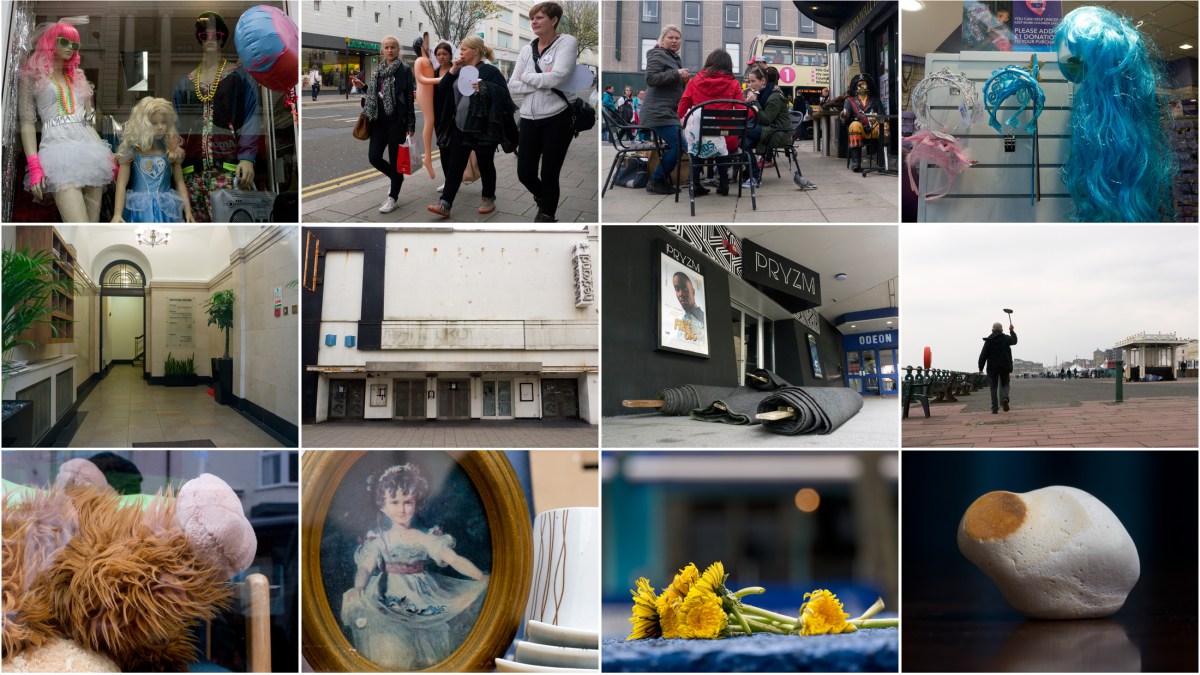
Today is the beginning of the Brighton festival, a whole month of cultural events including art exhibitions, plays, comedy revues, musical performances, talks, walks and happenings. These take place not only in every public venue in town, but indeed many private houses are also thrown open to the public, these filled with the endeavours of the numerous talented artists, photographers and craftspeople who live here. Also, during this time the streets are filled with itinerant performers, including jugglers, fire eaters, mime artists, conjurors, buskers, skateboarding troupes (some including dogs) and comedians, to name but a few.
You will note I do not have any photographs whatsoever that seem to indicate this fact. I consider this a personal success.
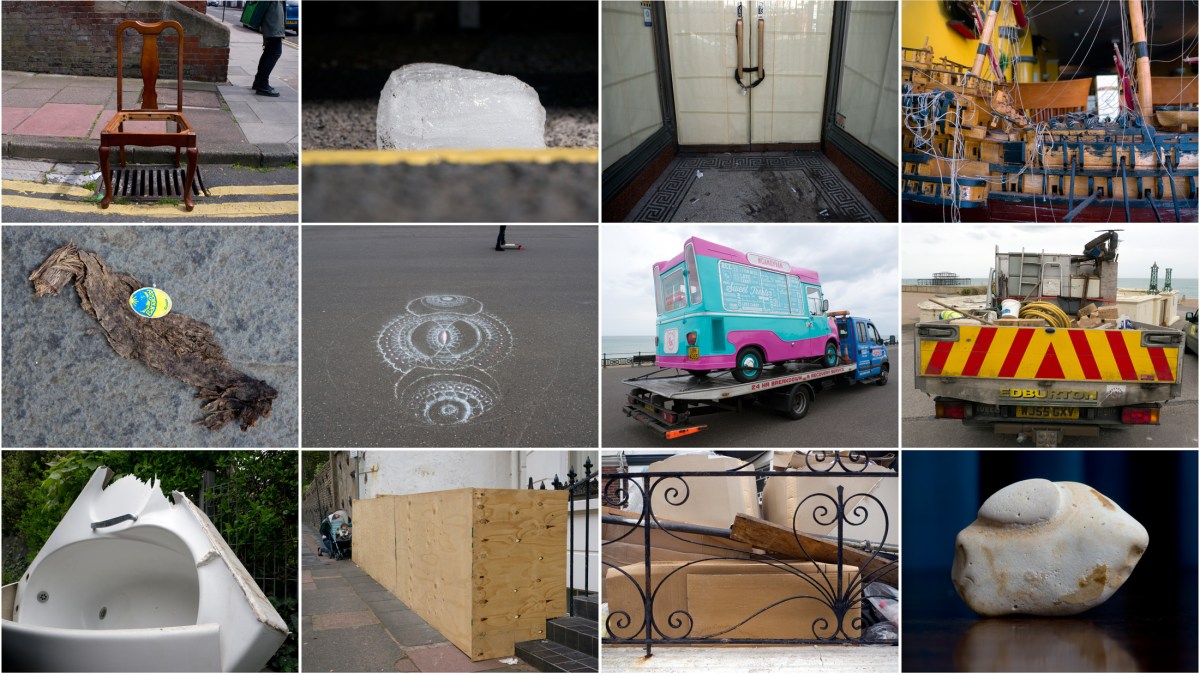
Incomplete list of bathroom-suite colours. Some might evoke tender memories; the recollection of others could wake you screaming in the night:
Almond Rose, Alpine Blue, Aqua, Armitage Blue, Aubergine, Autumn Tan, Avocado, Bahama Beige, Bali Brown, Bamboo, Bermuda Blue, Blue Grass, Burgundy, Chablis, Crème, Cameo Pink, Caspian Blue, Champagne, Chiffon, Cornflower Blue, Coral Pink, Cream, Damask, Emerald Green, Flamingo Pink, Freshwater, Gazelle Brown, Grey, Harvest Gold, Heather Pink, Honeymoon, Honeysuckle, Indian Ivory, Imperial Purple, Jade Green, Jubilee Blue, Kashmir Beige, Lavender Water, Light Green, Linden Green, Lilac, Melba Peach, Midnight Blue, Mimosa, Mink, Misty Pink, Moss Green, Ocean Spray, Old English White, Orchid Pink, Oyster, Pampas, Peach, Peony, Pergamon, Platinum, Pewter, Pompadour, Primrose, Romany, Rose, Rosewater, Sable, Sandalwood, Sapphire Blue, Savannah Green, Sepia, Shell Pink, Silver Fox, Sky Blue, Soft Mint, Sorbet, Sorrento Blue, Sun King, Tahiti Pink, Turquoise, Twilight Pebble, Whisky, Whisper Apricot, Wild Rose, Wild Sage, Willow Green, Wych Elm.

I’ve heard several politicians speaking recently on the TV and radio, in the run up to the elections, about support for the creative industries. This all sounds lovely, we don’t get a lot of assistance for the arts in the UK and its nice to think that there are people out there who care for artistic production, especially since the Olympic games soaked up so much national funding. Except…
I had to do some work on this subject a couple of years ago and, in so doing, it came as a bit of a surprise to find out what the civil service terms ‘creative industry’. Art might be included, but it’s buried in a very long list of other occupations, most of which don’t actually seem to involve making anything.
‘So what’ you might say? And indeed I’d have to agree, there are a lot of other things we should be spending public funds on like housing, healthcare, education etc. But if someone says they are going to do something, its worth knowing what they mean. And if ‘supporting the creative industries’ actually means tax breaks for ‘Marketing and sales directors’ (one of the industries on the list, for instance) then I’m not sure if this qualifies for support for the arts.
The list itself, as defined by the DCMS, goes a long way to suggesting the kinds of issues created by lumping so many different occupations under this title, so here it is for your delectation. Do look through the whole list, the devil is in the details, but don’t expect anyone using the term to actually have the faintest idea about the issues faced by actual, er, artists. So, if you come across a politician in the next couple of weeks, why not ask them to explain what they mean if they use the term. If nothing else it might give you a laugh.
Creative industries as defined by the DCMS (Department for Culture, Media and Sport):
Advertising and marketing: Marketing and sales directors; Advertising and public relations directors; Public relations professionals; Advertising accounts managers and creative directors; Marketing associate professionals
Architecture: Architects; Town planning officers; Chartered architectural technologists; Architectural and town planning technicians
Crafts: Smiths and forge workers; Weavers and knitters; Glass and ceramics makers; decorators and finishers; Furniture makers and other craft woodworkers; Other skilled trades not elsewhere classified
Design: product, graphic and fashion design: Graphic designers; Product, clothing and related designers
Film, TV, video, radio and photography: Arts officers, producers and directors; Photographers, audio-visual and broadcasting equipment operators
IT, software and computer services: Information technology and telecommunications directors; IT business analysts, architects and systems designers; Programmers and software development professionals; Web design and development professionals
Publishing: Journalists, newspaper and periodical editors; Authors, writers and translators
Museums, galleries and libraries: Librarians; Archivists and curators
Music, performing and visual arts: Artists; Actors, entertainers and presenters; Dancers and choreographers; Musicians
(DCMS headings in bold followed by what’s grouped under these titles)

Sitting at the café, I hear an unmistakeable clunk and rattle, and know at once that someone is spreading out their treasure on one of the plastic tables nearby. Turning, I see two parents and a child. None of them are saying much. The child, a girl of about nine wearing a look of defiant sternness, gathers all the stones together in her arms and gets up from the table. Her father follows her and reaches out for the stones, but the girl hunches her shoulders and turns away from him. At once I know she has been told to put them back, and indeed you can see she is going to do so, but it’s going to be her that does it; the humiliation of having this responsibility taken away from her would be too much. She walks slowly to the ornamental railings separating the beach from the promenade and drops them one by one over the edge onto the shore. The girl does this with great deliberation while, at a watchful distance the father observes, his face set in a scowl.
Once the family has left the café, I resist the urge to look for the stones the girl has just dropped. On the one hand their worth has already been escalated hugely by their having been chosen, making them a real prize, but to retrieve something another soul had cared for, twice, once by finding, and again precisely by returning, would be disrespectful.

Pigeon nightmare
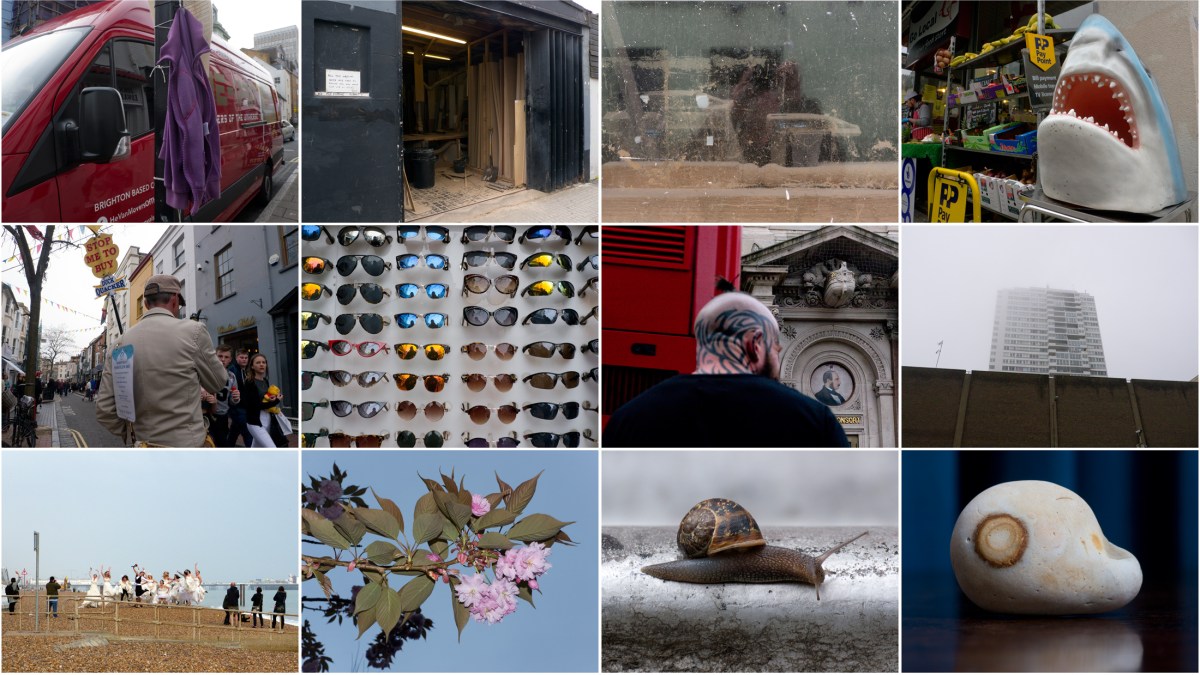
FACT: Even though it’s now well into the 21st century, the single biggest cause of death remains being eaten alive.

The man at the café continues in his heroic task of clearing the establishment of all birds. He’s increased his arsenal of anti-avian devices, so that now, when not sporting his favourite weapon: the long handled brush (pictured) he will have with him another, manky old brush-head with long bristles. This he carries by the hairs in readiness to hurl at any fowl seen to be encroaching on his territory. Tea at the café is thus now punctuated with a series of loud cracks and skitters as this missile hits the ground and skids across the pavement, usually followed by a flurry of wings. Sometimes if you’re quick enough you can see the makeshift projectile fly through the air and I am now wondering how long it’s going to be before he hits a tourist. Of course this could also be me, and nearly was today, but that’s a risk I’m prepared to take, the floor-show is just too good and anyway, we all need a little danger in our lives.
At first sight it would appear this assault is working, there aren’t so many birds around lately, but I don’t think this is all to do with his endeavours. Given the crows are not to be seen on the beach either (an area outside his jurisdiction) I reckon they are currently nesting, this hypothesis supported by recently seeing one of them on the lawns with a beak so full of browning grass clippings that he or she looked a dead ringer for Karl Marx. And now the derelict West Pier seems to have developed a white frosting that evaporates from time to time as whole flocks take to the air, suggesting it’s become this year’s seagull nesting site of choice.
Sadly though, the pigeon world is now a rather more nervous one. They have all taken to lurking behind table legs and, when traversing any open terrain, do so at a run, their heads bobbing frantically in syncopation with their legs until they reach better cover elsewhere. Abandoned remains of chips, butties and fried breakfasts remain unmolested for whole minutes at a time, indeed it seems like it’s taking the man longer to clear the tables than was the case when he first arrived, so maybe this is a baiting strategy?
Nevertheless, despite his apparent successes, the whole world knows this situation is only temporary and indeed as soon as he turns his back or disappears on some errand, any uneaten plates of food left behind will all at once disappear under a cloud of feathers. It’s just that now, most of the food is immediately tossed to the ground so it can be eaten under the cover of various items of café furniture.
I must admit to being curious about what will happen when, their eggs hatched, the crows and gulls need to start foraging for their chicks. Both these species have a lot more presence and are less likely to take things lying down. When they return, I don’t think it’s going to go all his way…

“Dandelion. noun… ORIGIN late middle English: from French dent-de-lion, translation of medieval Latin dens leonis ‘lion’s tooth’ (because of the jagged shape of the leaves)”
Actually I thought it was called dent-de-lion, not after the leaves but the flowers, whose petals are not only many, long and pointed (like the teeth in a lion’s mouth) but also because during the late middle ages up until the time of Shakespeare, lions teeth were thought to be yellow due to their monstrously carnivorous diet.
I’ve just been searching all over the place for some evidence of this and in particular through the play: ‘A Midsummer Night’s Dream’ because I could have sworn there was a line in it that backed up this theory, but there isn’t.
I am now really irritated and I have to ask myself: why have I wasted several hours trying to prove the Oxford English Dictionary is wrong?
I still think my version is better.

“I done wrestled with an alligator, I done tussled with a whale; handcuffed lightning, thrown thunder in jail; only last week, I murdered a rock, injured a stone, hospitalised a brick; I’m so mean I make medicine sick.”
(Muhammad Ali)
 Umbrellage