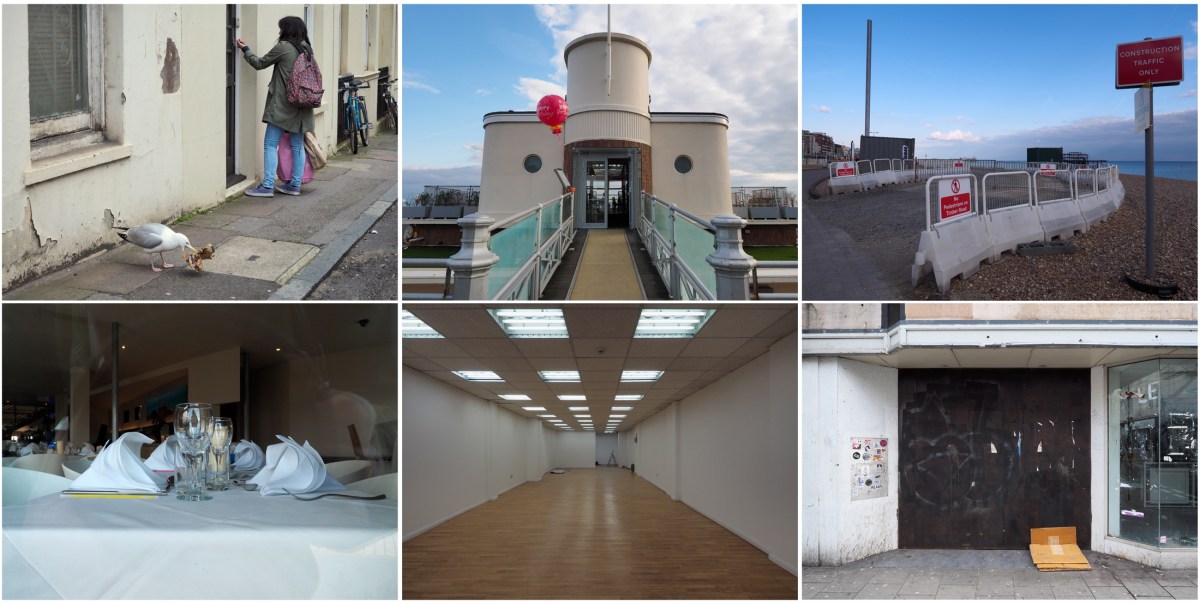
“The furniture style of the second half of the nineteenth century has received its only adequate description, and analysis, in a certain type of detective novel at the dynamic centre of which stands the horror of apartments. The arrangement of the furniture is at the same time this site plan of deadly traps, and the suite of rooms prescribes the fleeing victim’s path. That this kind of detective novel begins with Poe – at a time when such accommodation hardly yet existed – is no counter-argument. For without exception the great writers perform their combinations in a world that comes after them, just as the Paris streets of Baudelaire’s poems, as well as Dostoyevsky’s characters, only existed after 1900. The bourgeois interior of the 1860s to the 1890s, with its gigantic sideboards distended with carvings, the sunless corners where palms stand, the balcony embattled behind its balustrade, and the long corridors with their singing gas flames, fittingly houses only the corpse. “On this sofa the aunt cannot but be murdered.” The soulless luxuriance of the furnishings becomes true comfort only in the presence of a dead body. Far more interesting than the Oriental landscapes in detective novels is that rank Orient inhabiting their interiors: The Persian carpet and the Ottoman, the hanging lamp and the genuine Caucasian dagger. Behind the heavy, gathered Khilim tapestries The master of the house has orgies with his share certificates, feels himself the eastern merchant, the indolent Pasha in the caravanserai of otiose enchantment, until that dagger in its silver sling above the divan puts an end, one fine afternoon, to his siesta and himself. This character of the bourgeois apartment, tremulously awaiting the nameless murderer like a lascivious old lady her gallants, has been penetrated by a number of authors who, as writers of “detective stories” – and perhaps also because in their works part of the bourgeois pandemonium is exhibited – have been denied the reputation they deserve. The quality in question has been captured in isolated writings by Conan Doyle and in a major production by A. K. Green; and with The Phantom of the Opera, one of the great novels about the 19th century, Gaston Leroux has brought the genre to its apotheosis.”
‘Manorially Furnished Ten-Room Apartment’ in ‘One Way Street’, Walter Benjamin, written 1925-26
 Umbrellage