Plongeur – 15th Nov 2015

“I began to protest, but he cut me short. ‘A PLONGEUR with a moustache —nonsense! Take care I don’t see you with it tomorrow.’
On the way home I asked Boris what this meant. He shrugged his shoulders. ‘You must do what he says, MON AMI. No one in the hotel wears a moustache, except the cooks. I should have thought you would have noticed it. Reason? There is no reason. It is the custom.’
I saw that it was an etiquette, like not wearing a white tie with a dinner-jacket, and shaved off my moustache. Afterwards I found out the explanation of the custom, which is this: waiters in good hotels do not wear moustaches, and to show their superiority they decree that PLONGEURS shall not wear them either; and the cooks wear their moustaches to show their contempt for the waiters.”

George Orwell, ‘Down and Out in Paris and London’ 1933

Wholesale – 11th Nov 2015

“To found a great empire for the sole purpose of raising up a people of customers may at first sight appear a project fit only for a nation of shopkeepers. It is, however, a project altogether unfit for a nation of shopkeepers; but extremely fit for a nation whose government is influenced by shopkeepers.”

Adam Smith, The Wealth of Nations 1776

Stage lighting – 10th Nov 2015

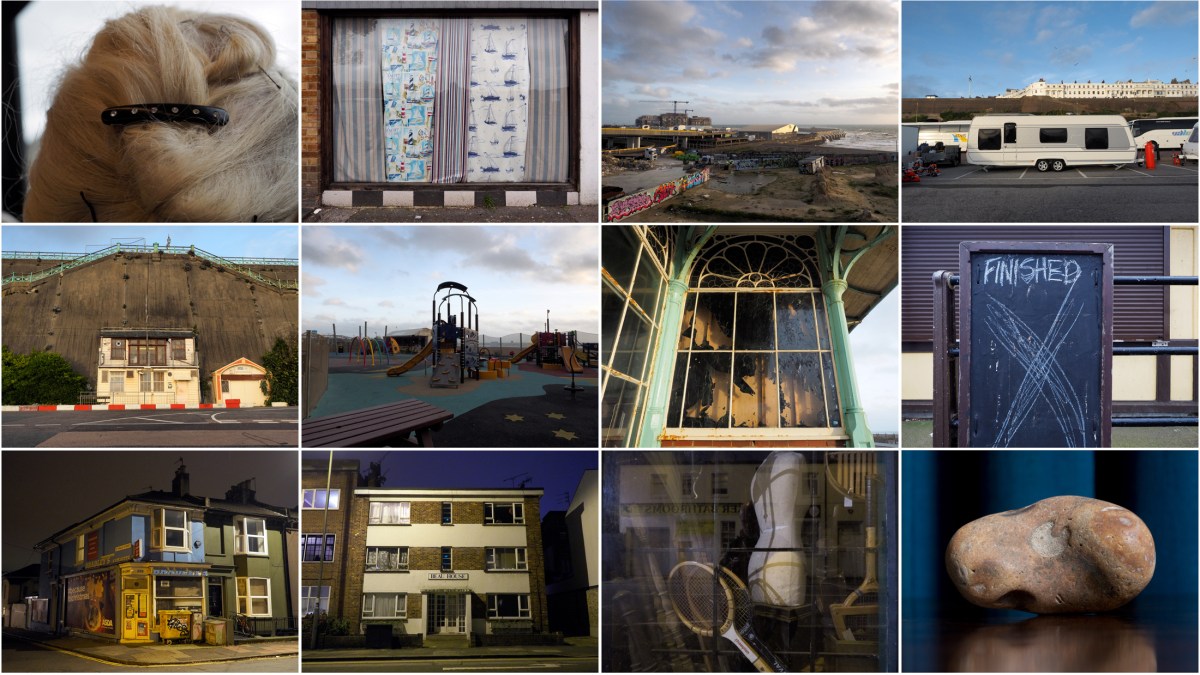
Every year there’s a point when you know it’s no longer possible to carry out the walk home from work in daylight, and the temptation is to shut out the gloom and the rain, taking the quickest route home. But if you can get the timing right, there’s a point where you have both the blue remains of evening and an explosion of artificial suns from street lights, windows of offices and homes, shop displays, traffic signs and the headlamps of cars. Even by the beach the glow of the city pushes back the darkness of the sea and a walk along the shuttered seafront shops and bars is like stumbling onto an empty stage set.

Ancestral vices – 9th Nov 2015

“They fuck you up, your mum and dad.
They may not mean to, but they do.
They fill you with the faults they had
And add some extra, just for you.

But they were fucked up in their turn
By fools in old-style hats and coats,
Who half the time were soppy-stern
And half at one another’s throats.

Man hands on misery to man.
It deepens like a coastal shelf.
Get out as early as you can,
And don’t have any kids yourself.”

Philip Larkin ‘This Be The Verse’ 1971

Collective nouns – 7th Nov 2015

The starlings have been back for a few weeks now. Not in the numbers you used to find, but it’s still good to see them – a reminder of the vastness of Europe, of distant shores, of rites older than our mark upon the world. Their English collective noun when flying together is ‘murmuration’ a wonderful word that goes beyond merely naming, to evoke the whirring sussuration their collected wing beats make as the fly overhead; a thousand breaths and heartbeats sounding in unison.

And this got me thinking, as you do, of other collective nouns for animals, so here’s a list. Please note, this is highly edited, not including many of the more familiar and indeed unfamiliar terms, just my particular favourites:

A shrewdness of apes
A cede of badgers
A sloth of bears
A drift, or grist, of bees
A sedge of bitterns
A sounder of boars
A bellowing of bullfinches
A wake of buzzards
A caravan of camels
A destruction of cats
A peep of chickens
An intrusion of cockroaches
A gulp of cormorants
A covert of coots
A sedge of cranes
A float of crocodiles
A murder of crows
A parcel of deer
A convocation of eagles
A memory of elephants
A charm of finches
A school (or shoal) of fish
A stand of flamingoes
A business of flies
A skulk of foxes
A skein of geese
A cloud of grasshoppers
A charm of goldfinches
A rasp of guineafowl
A flick of hares
A boil, or kettle, of hawks
An array of hedgehogs
A bloat of hippopotami
A cry of hounds
A cackle of hyenas
A mess of iguanas
A clattering of jackdaws
A scold of jays
A fluther, or smack, of jellyfish
A kindle of kittens
A deceit, or desert, of lapwings
An exaltation of larks
A tittering, or charm, of magpies
A trip of mice
A labour of moles
A barrel, cartload, or wilderness, of monkeys
A scourge of mosquitoes
A watch of nightingales
A parliament of owls
A bed of oysters
A pandemonium of parrots
An ostentation of peacocks
A crowd of people*
A bouquet of pheasants
A drift of pigs
An unkindness of ravens
A crash of rhinoceroses
A building, or parliament, of rooks
A draught of salmon
A fling of sandpipers
A herd of sea urchins
A hurtle of sheep
An escargatoire, walk, or rout, of snails
A host, or tribe of sparrows
A phalanx of storks
A lamentation of swans
A scream of swifts
An ambush of tigers
A knot of toads
A hover of trout
A nest of vipers
A rout of wolves
A fall of woodcocks
A descent of woodpeckers
A herd of wrens
A dazzle of zebras

(*Come to think of it, there must be scores of collective nouns for different gatherings of people depending on kind and purpose. Maybe I’ll put those together in another post, another time…)

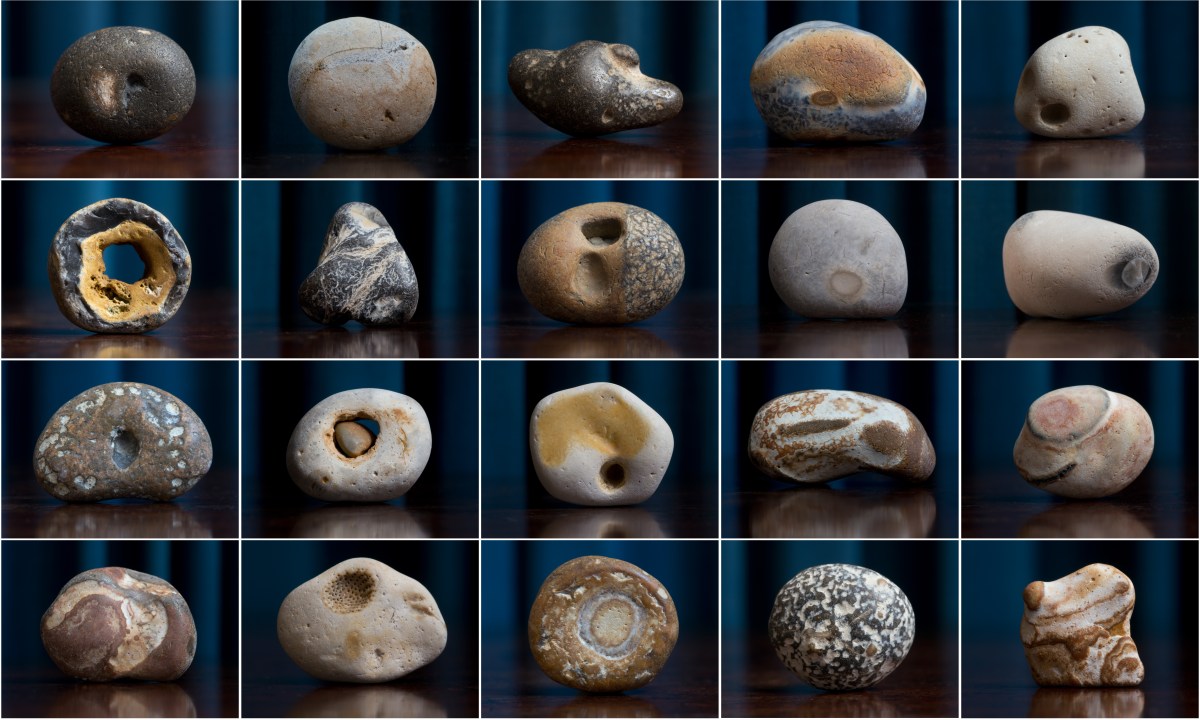
Collected stones – page 11

“The last resort of kings, the cannonball. The last resort of the people, the cobblestone.”

Victor Hugo

Translated from the French: “La dernière raison des rois, le boulet. La dernière raison des peuples, le pavé.” in, ‘Oeuvres Illustrees de Victor Hugo’ (édition 1855)

Rights of passage – 4th Nov 2015

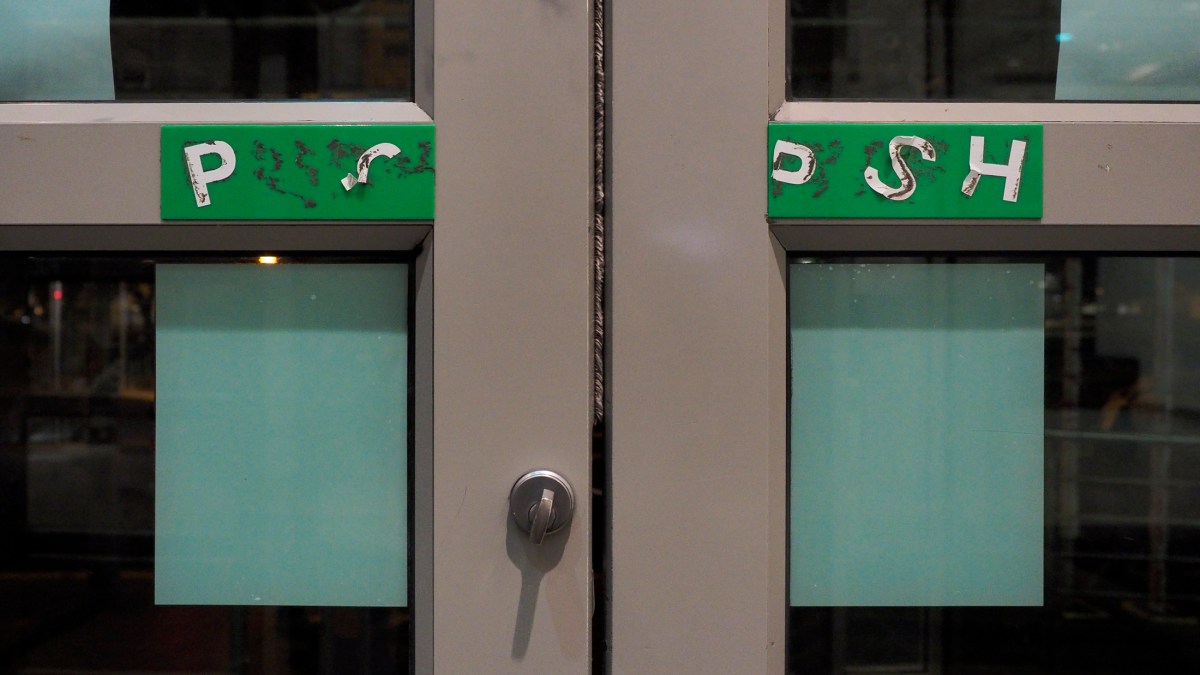
On each door is a green plastic plate inscribed, in white lettering, with the word ‘push’. Telling us the doors open out rather than in is useful, though the absence of handles on the side facing us might alone have been a sufficient indicator of direction.

Of course, with most doors that require pushing rather than pulling, where one decides to push, or even what to push with, is largely optional. While most of us understand it is better not to apply pressure to the glass panels (we all know glass can break) there is enough laminated metal door frame to allow for a wide degree of choice in accomplishing your passage over the threshold.

In older styles of architecture, doors demanding regular use have vertical brass plates attached to their ‘push’ side. This not only indicates the tacit instruction: to push, but also protects the wooden frames from being corroded by acids present in human sweat. The green plastic plates on these doors not only acknowledge their architectural antecedents, but also, by adding the word ‘push’ to them, reinforces the message. So much so in fact that the majority of users only push where it says ‘push’. This you can easily tell because the letters forming the words have, over time, been pushed beyond the point of legibility by the action of numerous hands. An additional factor in their migration is that the glue used to attach the lettering to the green plastic is of a kind partially soluble in organic grease, acids, and the various cleaning fluids used to keep the doors looking fresh.

On several occasions I have considered mentioning this to the powers that be. However, I must confess I take great enjoyment that, in this instance, Walter Gropius’s dictum: ‘form follows function’, comes truly alive, the form of the words certainly following the functional results of all this pushing. I also find it appropriate that this pronouncement from the founder of the Bauhaus is embodied so clearly on the main entrance to a modern institute of art and design.